

Technical Insight. Practical Application.
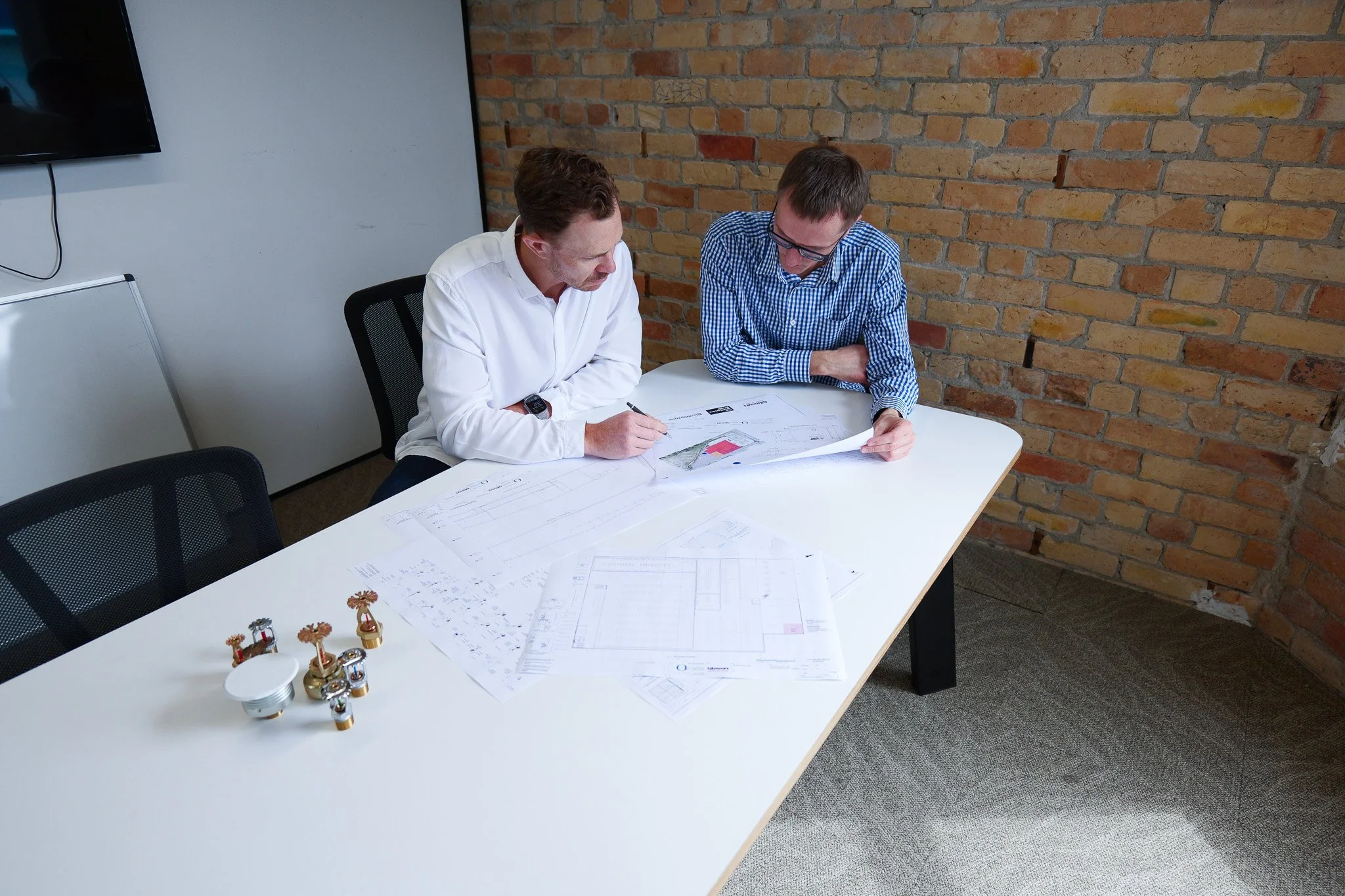
Fire Engineer vs Fire Protection Consultant. Understanding the Difference
Fire engineers and fire protection consultants play different roles in building fire safety. Understanding the distinction supports clearer design, compliance, and delivery.
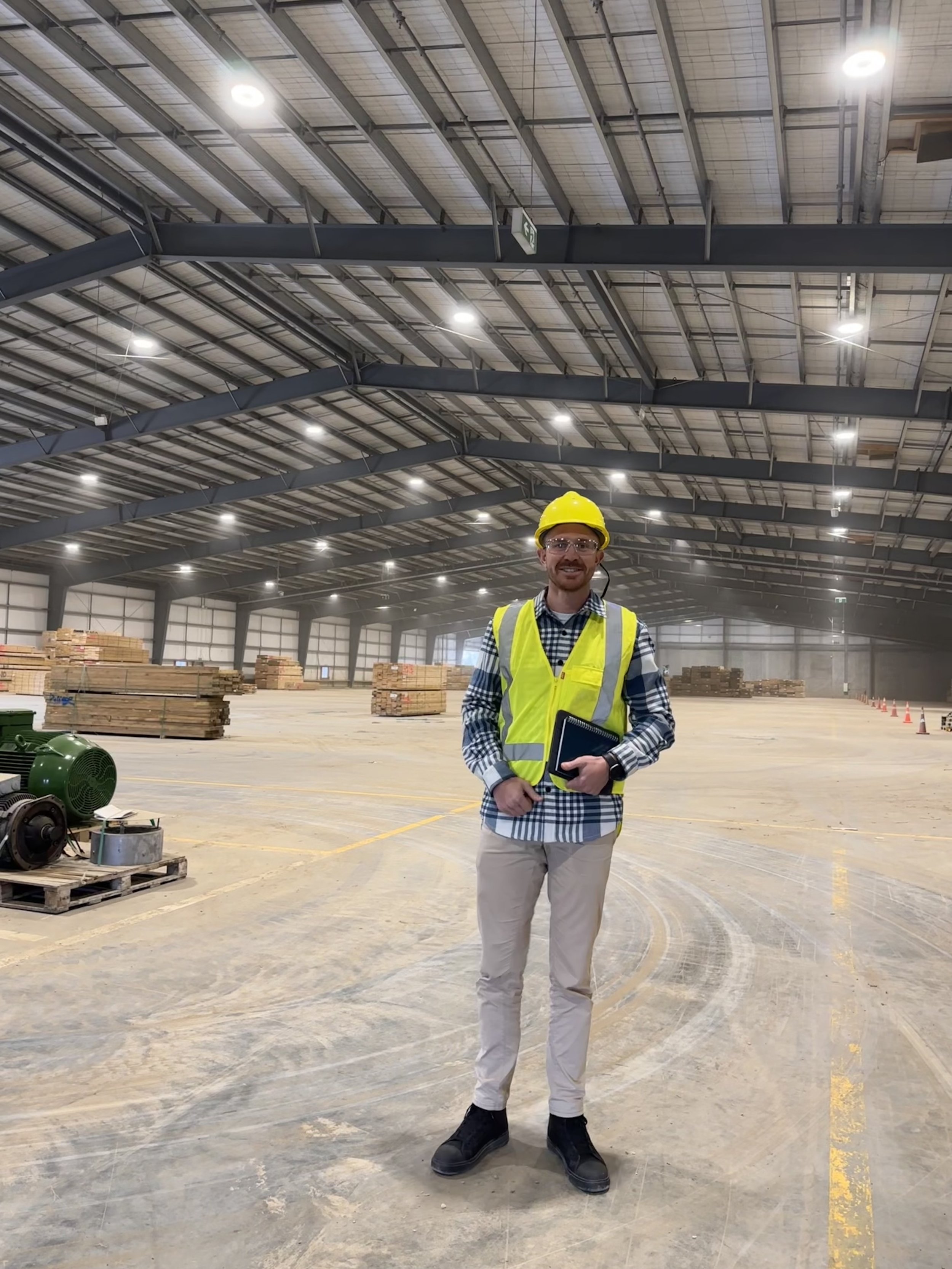
Why Early Insurer Engagement Matters in Fire Protection Design
Early engagement with insurers such as Aon helps reduce fire protection risk, improve design certainty, and avoid costly redesigns on complex building projects.
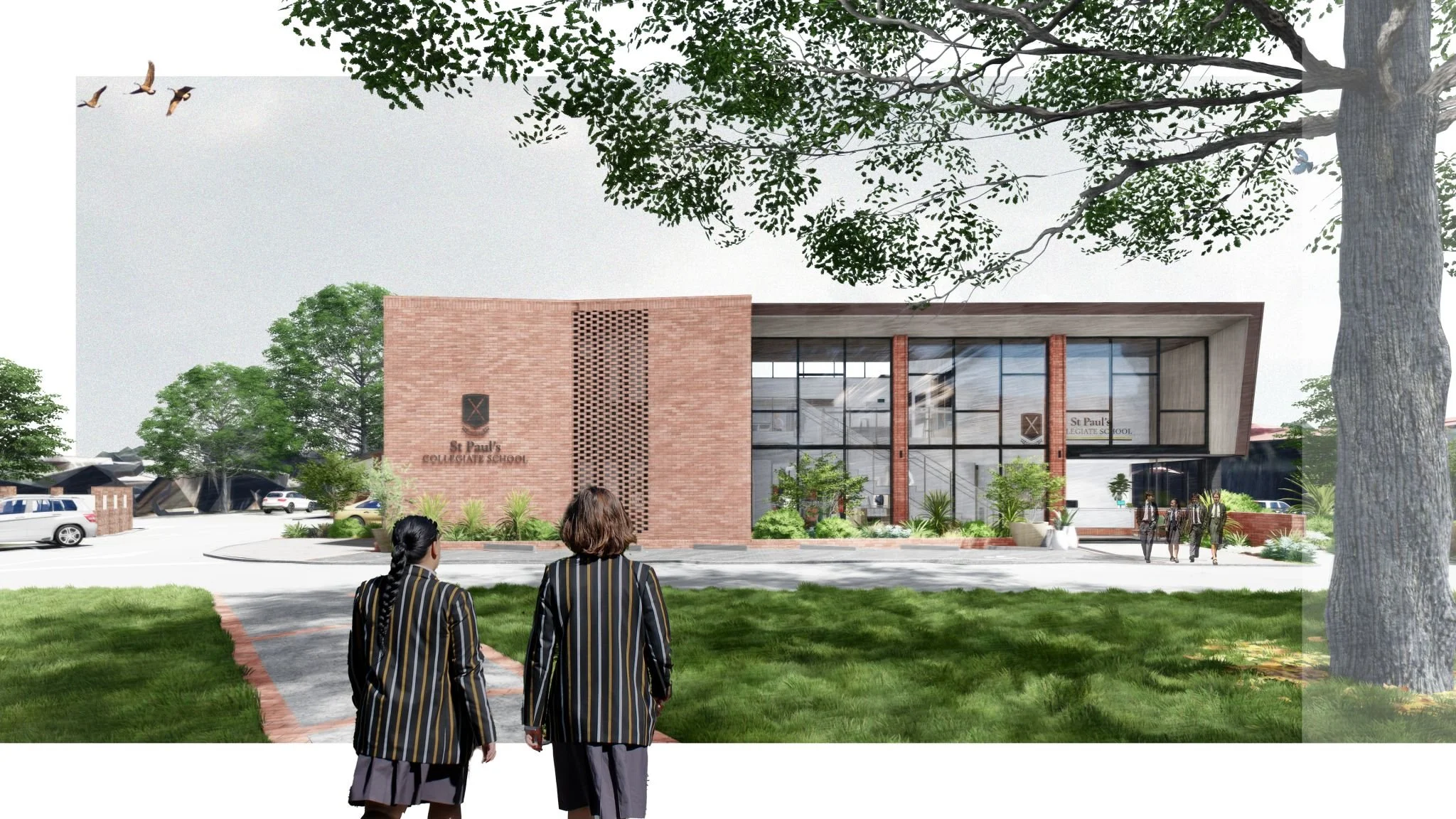
Fire Protection Planning for Schools and Education Facilities
Fire protection planning for schools and education facilities requires long-term thinking. Early, site-wide design supports safety, compliance, and future expansion.
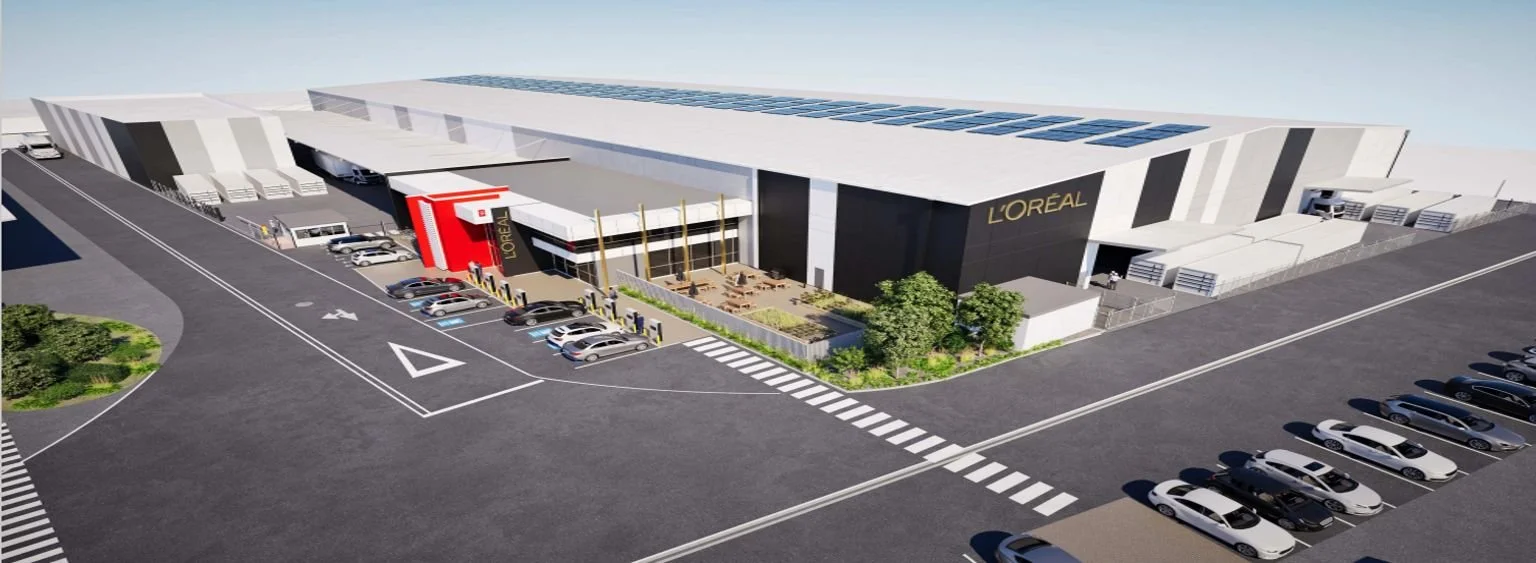
Designing Fire Protection for High-Risk Warehouse and Dangerous Goods Facilities
Specialist fire protection design for high-risk warehouses and dangerous goods facilities. Bespoke sprinkler and foam suppression systems aligned with NZ, NFPA, and FM standards.
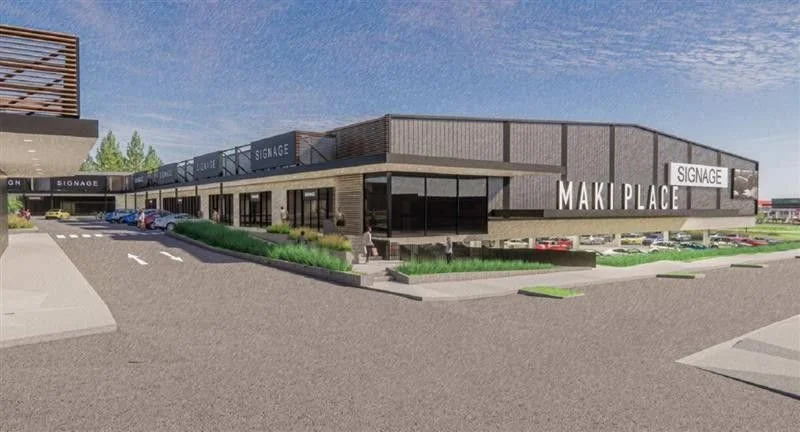
Why Early Fire Protection Planning Matters in Building Design
Early fire protection planning integrated into building design to reduce risk and improve coordination

Why Fire Protection Systems in Commercial Buildings Need Regular Reassessment
As commercial buildings age and tenants change, fire protection systems must be reassessed to ensure they remain compliant, insurable, and fit for purpose.
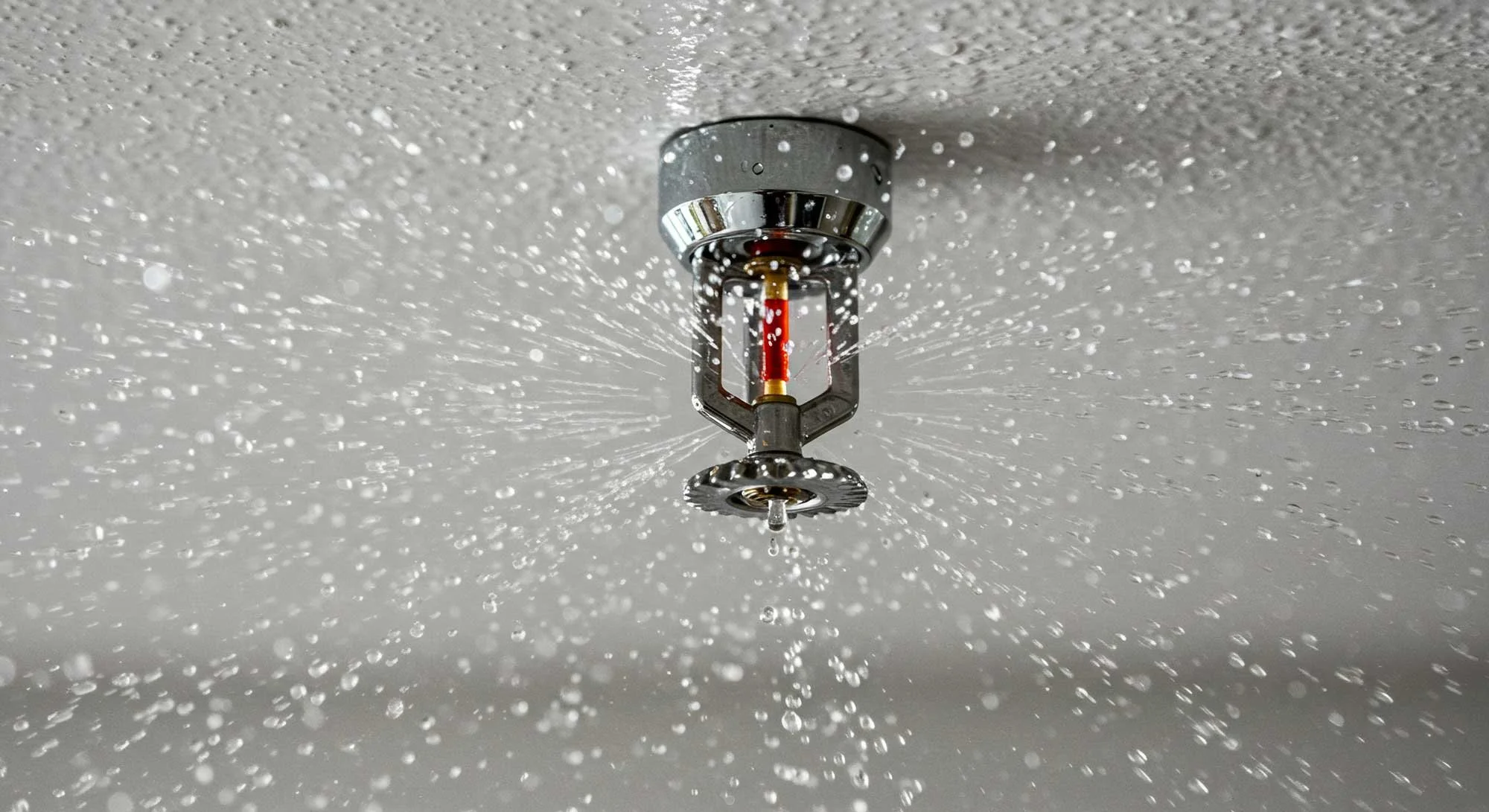
Fire Sprinkler Myths Explained. Why One Sprinkler Does Not Set Off the Whole System
Fire sprinklers activate individually, not all at once. Understanding how sprinkler systems really work helps avoid damage, disruption and misinformation.
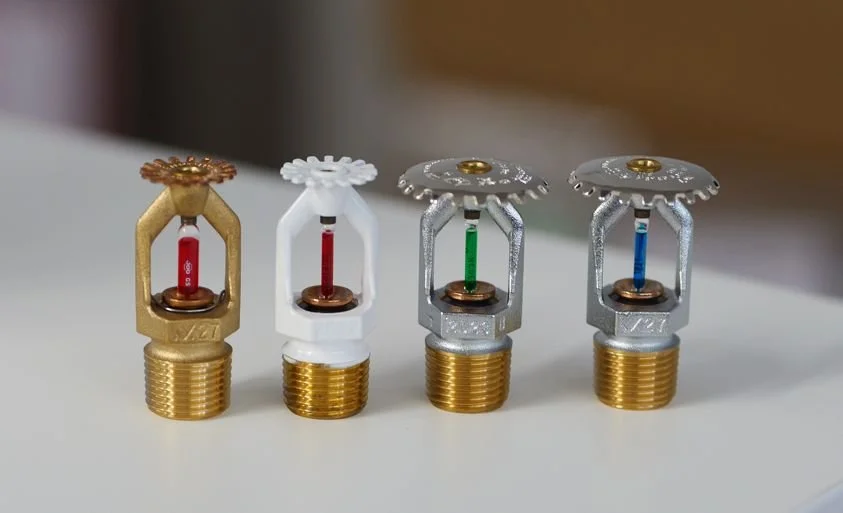
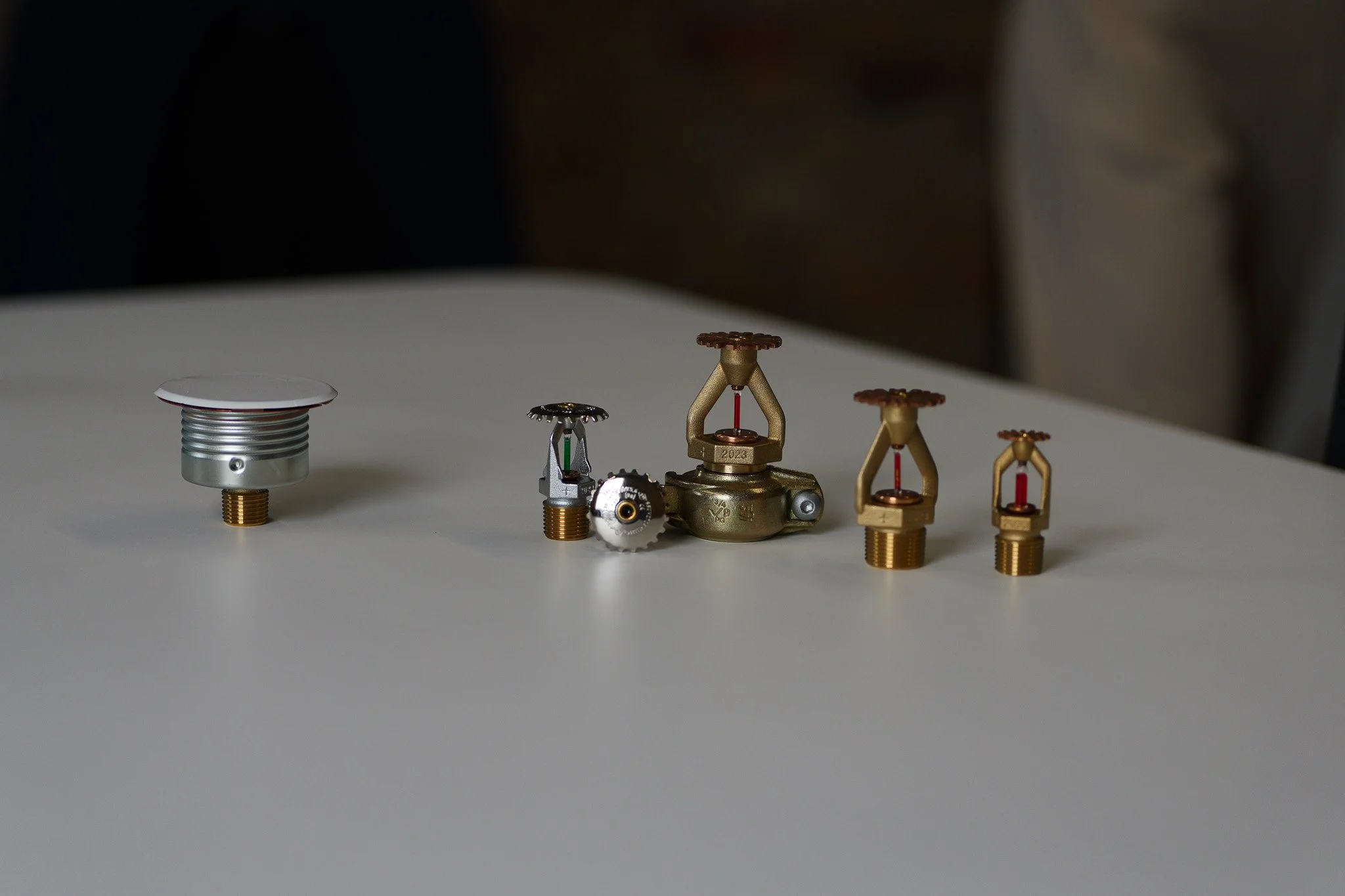
Sprinkler Temperature Ratings Explained. Choosing the Right Rating for the Right Environment
Sprinkler temperature ratings must suit ambient conditions and site risk. Selecting the wrong rating can lead to false activation or delayed response.
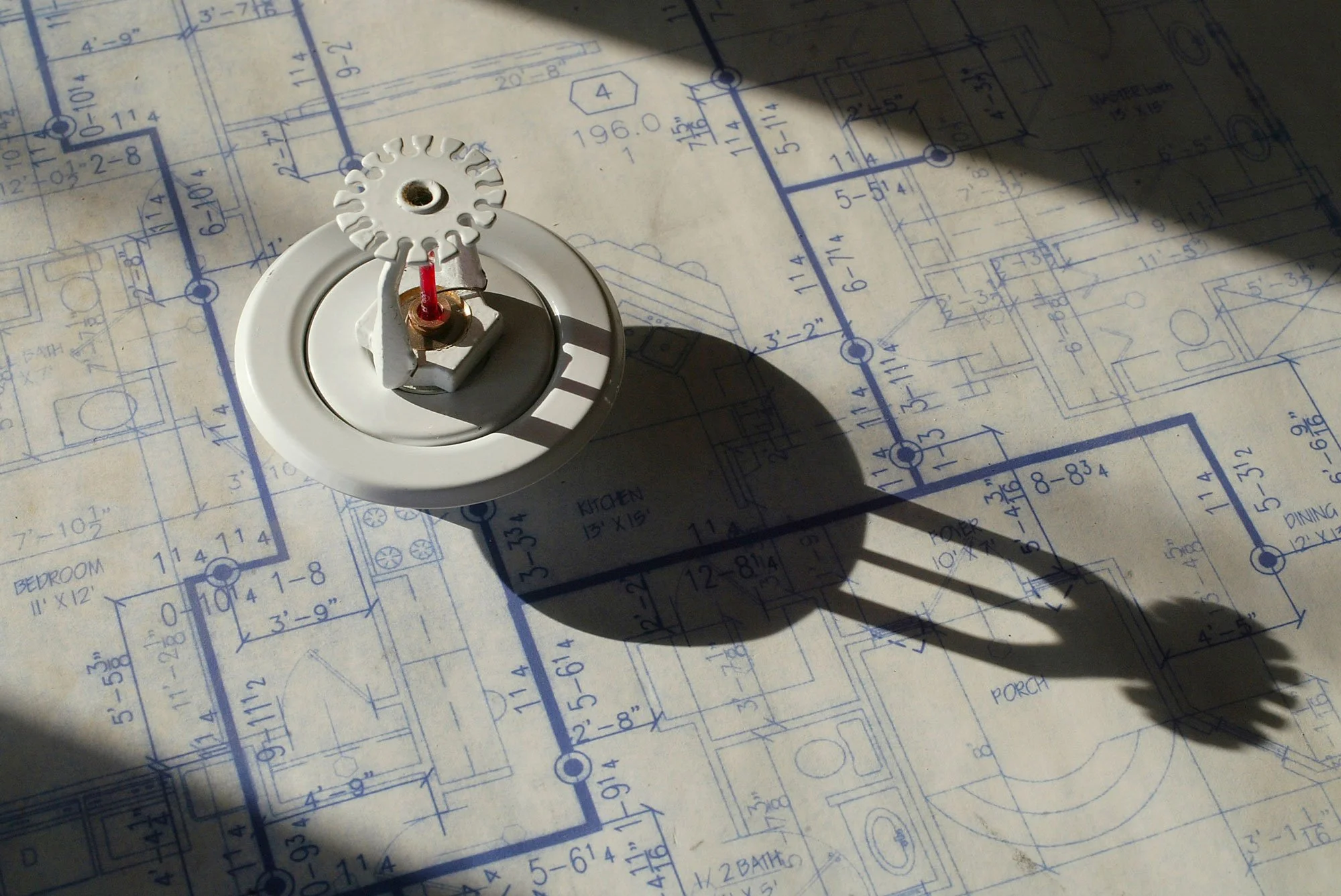
Seismic Bracing and Fire Protection. Why Secondary Systems Matter
Seismic bracing is critical to fire protection performance. Secondary equipment failures can compromise sprinkler and alarm systems when it matters most.
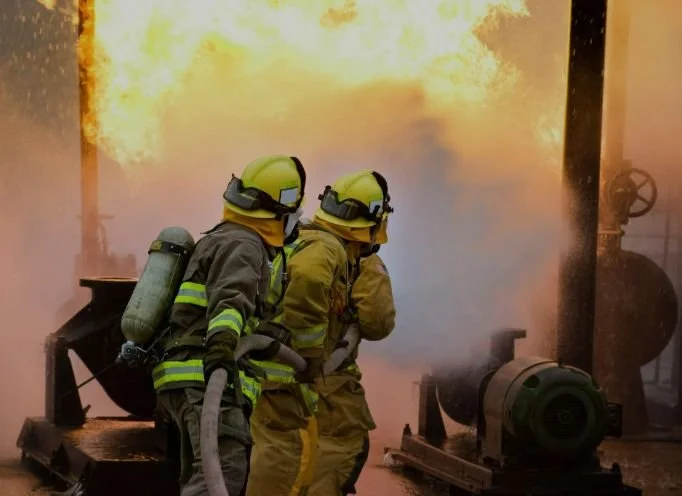
Standards or Best Practice. Why Fit-for-Purpose Fire Protection Matters
Meeting fire protection standards does not always guarantee real-world performance. Best-practice design considers how systems will operate in an emergency.
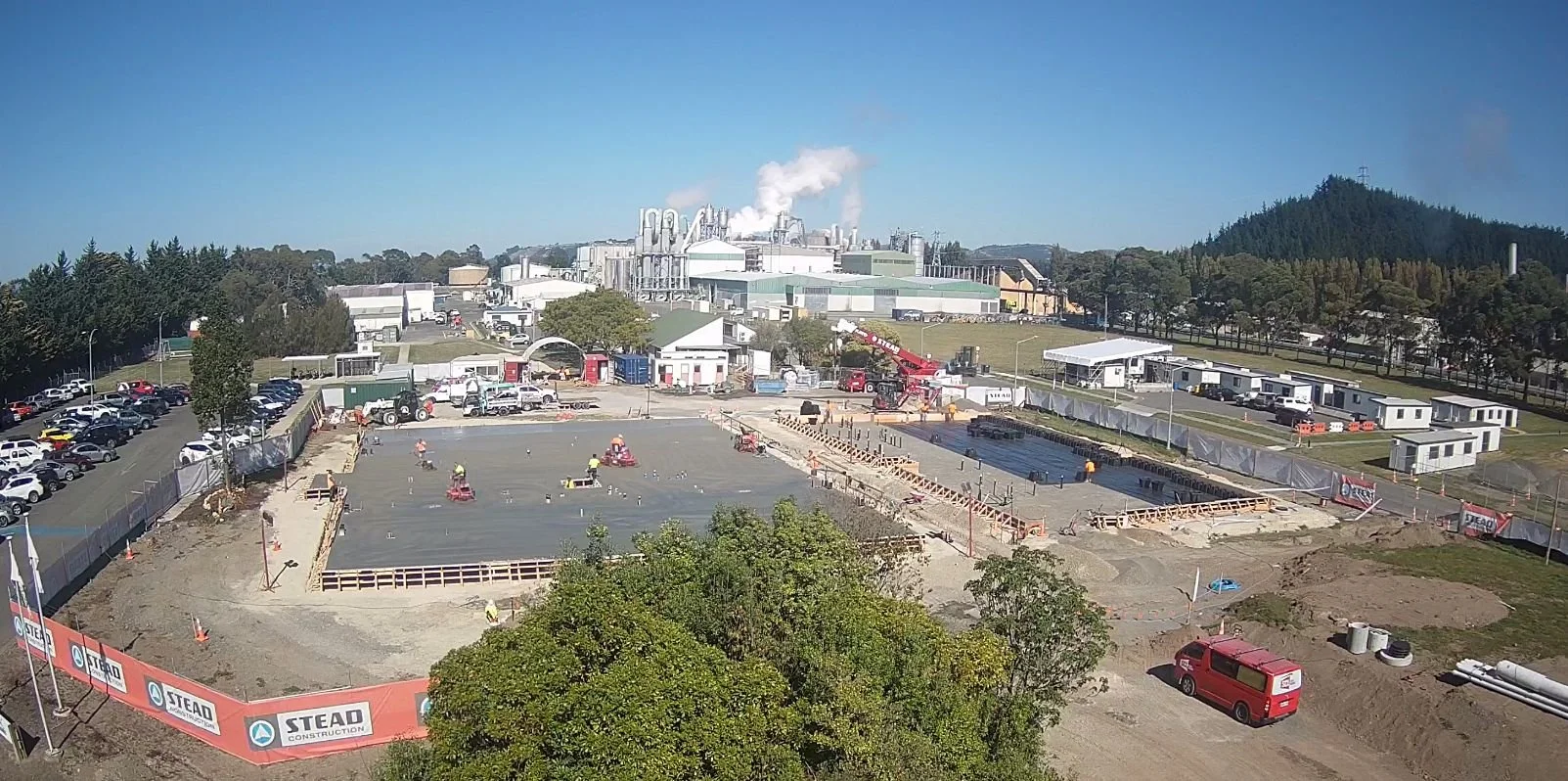
Fire Protection Design in Flood Recovery. Supporting Pan Pac After Cyclone Gabrielle
Post-disaster recovery requires coordinated fire protection design and technical support. Early engagement helped Pan Pac restore operations after Cyclone Gabrielle.
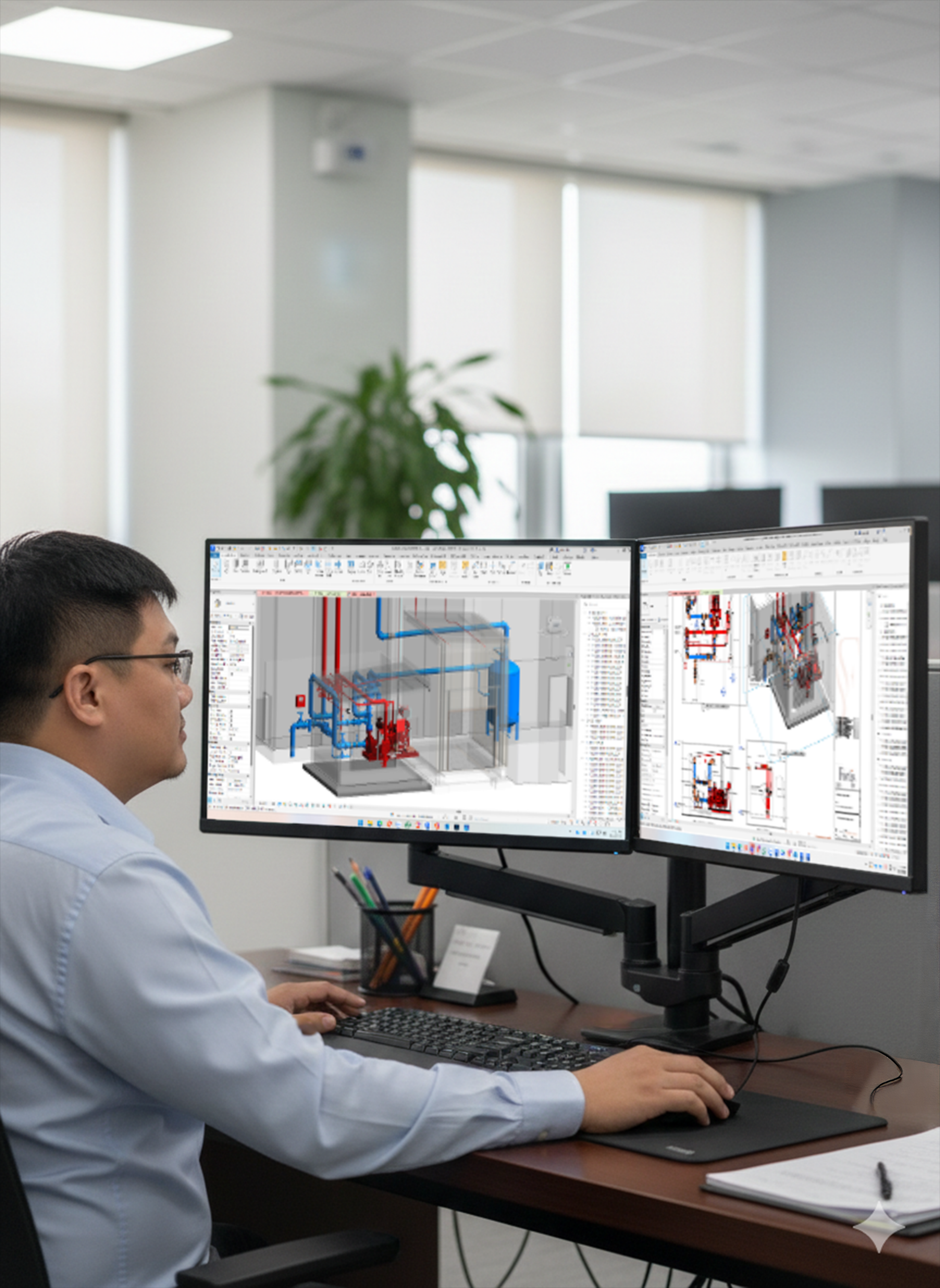
Fire Protection Left Too Late in Design. The Cost of Delayed Integration
Delaying fire protection design creates coordination issues, cost overruns, and programme risk. Early integration supports safer, more resilient buildings.
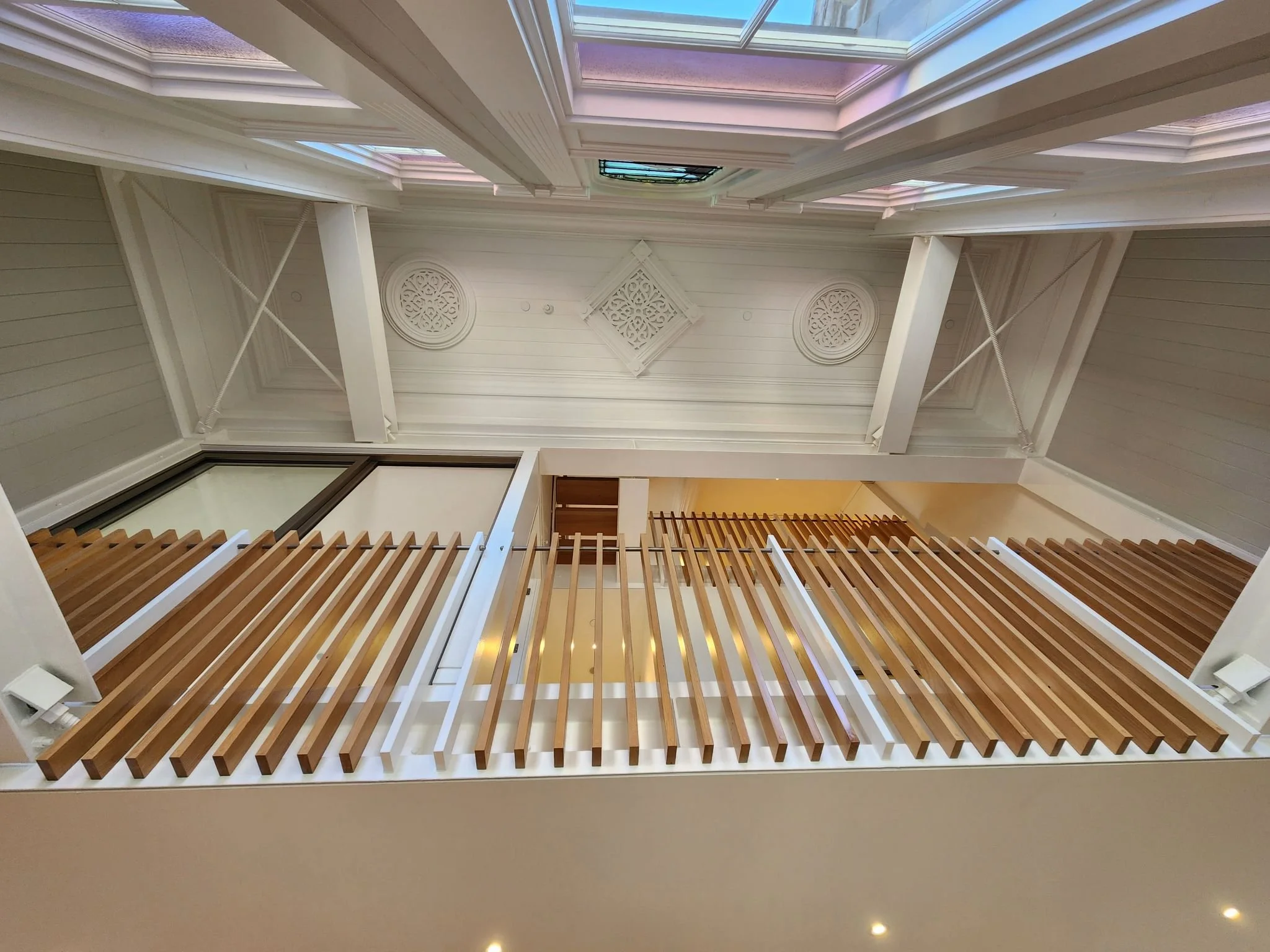
Heritage Restoration and Fire Protection Design. The Conversion of St James Church
Fire protection design plays a critical role in heritage restoration projects. Sensitive system integration supports safe reuse of historic buildings.
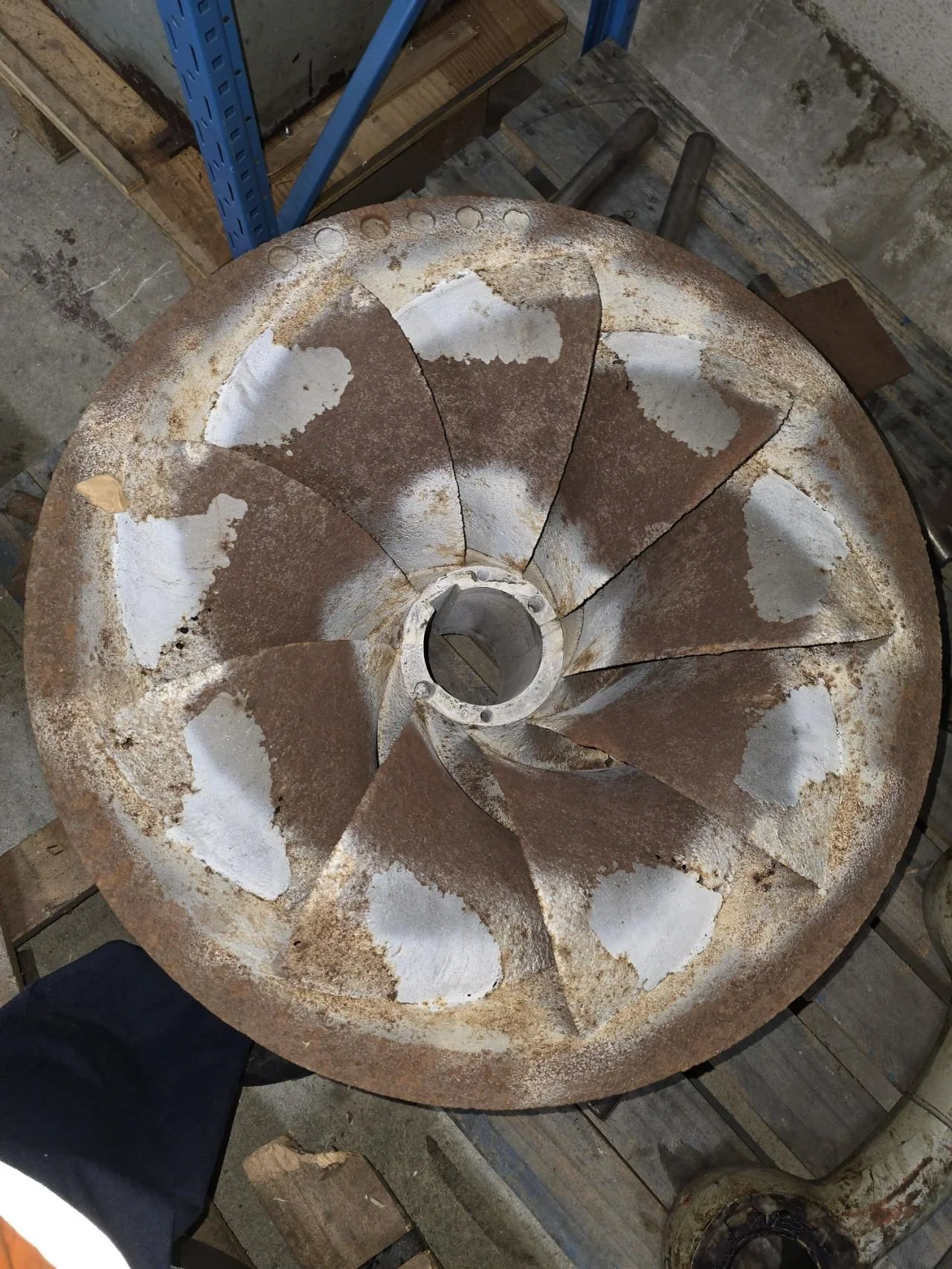
Fire Pump Cavitation. The Hidden Risk That Undermines Sprinkler System Performance
Fire pump cavitation can quietly degrade sprinkler performance and compromise compliance. Correct suction design and monitoring are critical to long-term reliability.
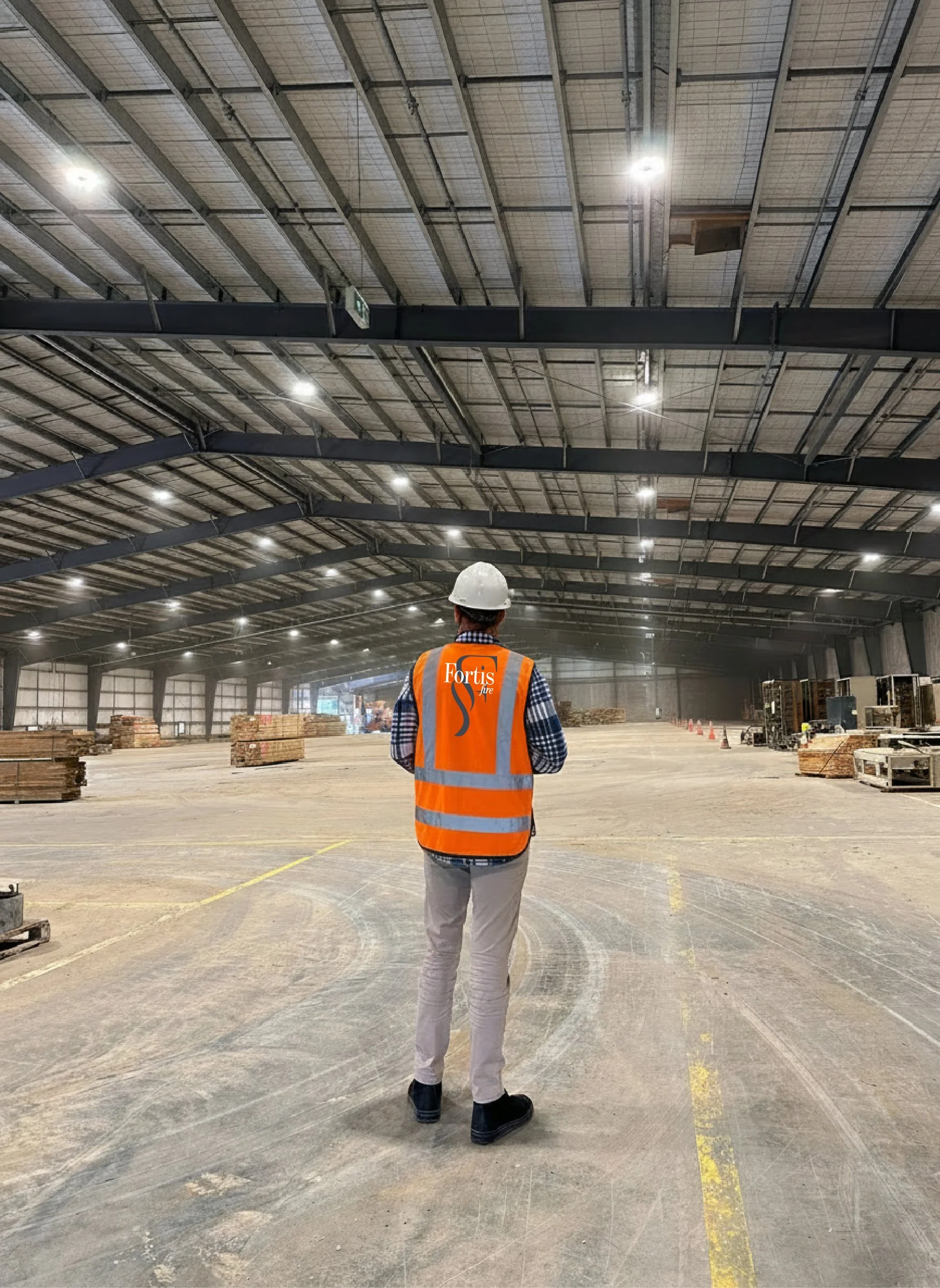
Sprinklers Installed, But Not Fit for Purpose. Why Fire Protection Due Diligence Matters Before Leasing
Existing sprinkler systems may meet code but fail operational or insurance requirements. Fire protection due diligence before leasing can prevent costly upgrades.
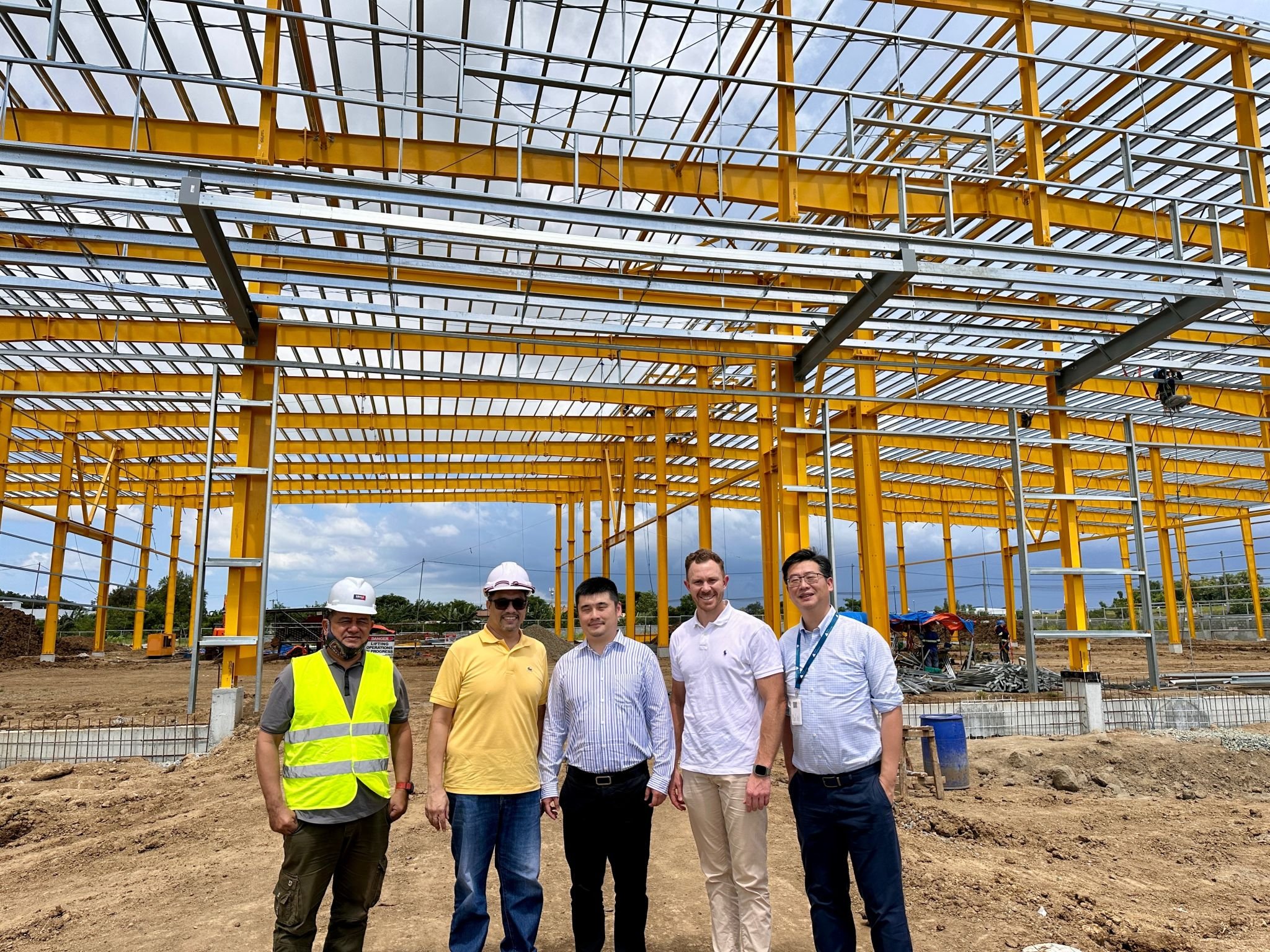
Designing Fire Protection for Large-Scale Warehouses and Live Facilities
Fire protection design for large-scale warehouses and live facilities requires early planning, FM Global alignment, and careful coordination to manage risk and staged delivery.
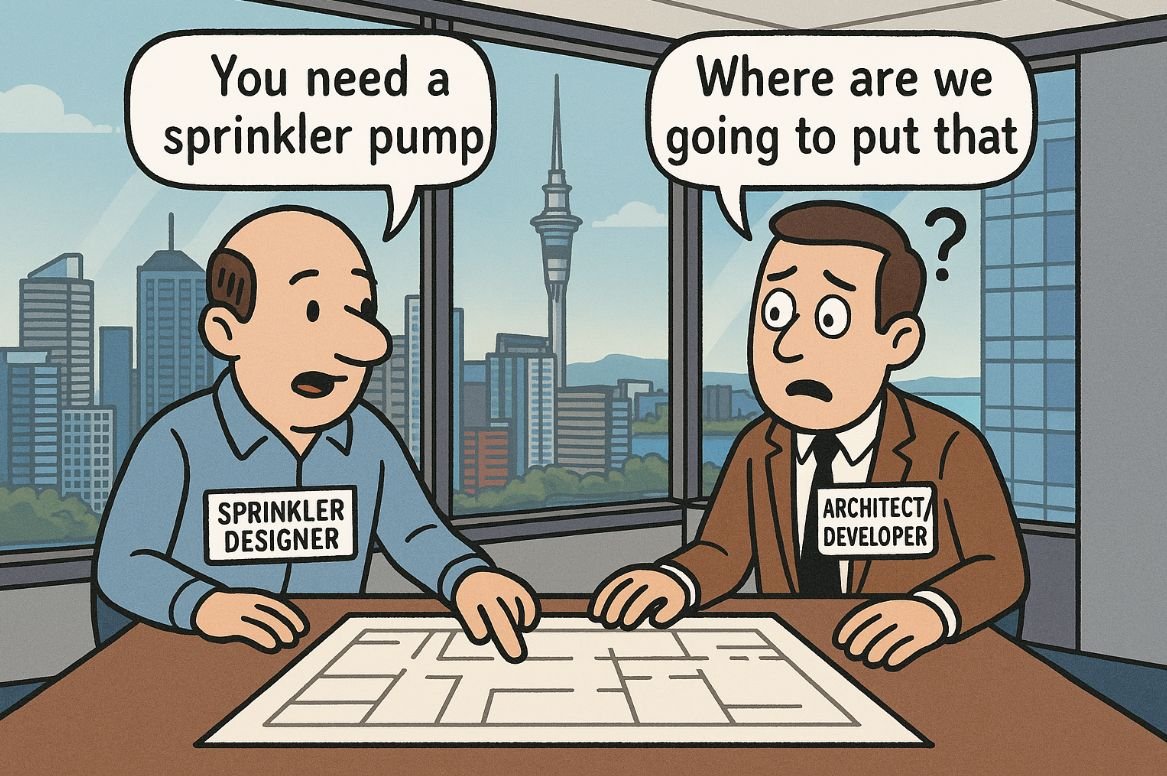
Have You Completed Flow Testing? Why Low-Rise Projects Get Caught Out Without a Booster Pump
Low-rise projects often fail to allow for water supply limitations. Early flow testing and fire protection input can prevent costly redesigns and delays.
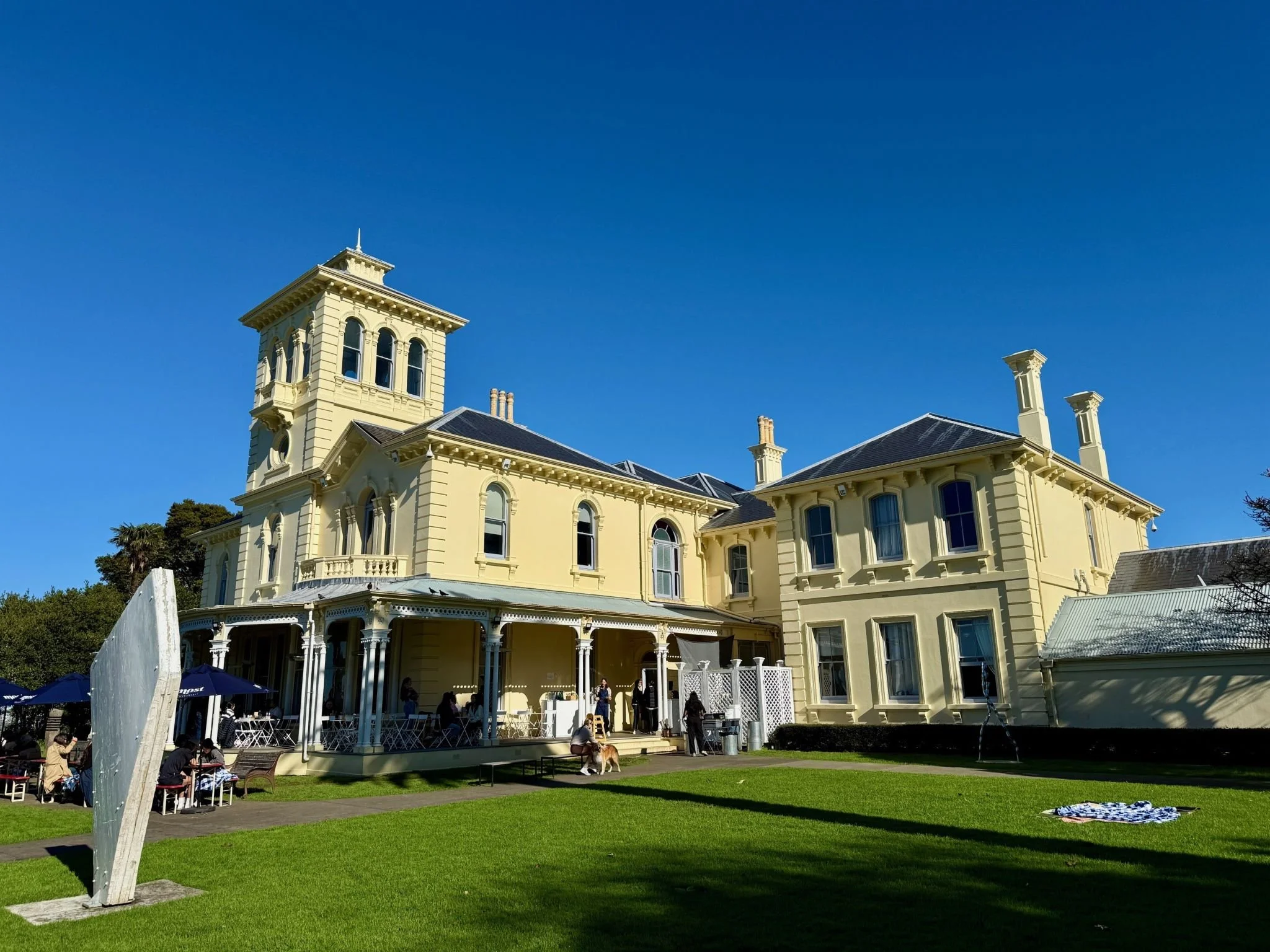
Fire Protection and Heritage Buildings. Protecting the Pah Homestead for Future Generations
Heritage buildings require careful fire protection design. Long-term performance plays a key role in preserving historic sites like the Pah Homestead.
Engage Early with Informed Design
If your project requires disciplined, performance-led fire protection engineering, start the conversation early.