

Fire Protection Planning for Schools and Education Facilities
Schools and education facilities present unique fire protection challenges.
They are living campuses that evolve over time. Buildings are added, uses change, and infrastructure must adapt without disrupting learning environments. Fire protection planning for schools must account for this long-term growth, not just immediate compliance.
Early, coordinated fire protection design makes a measurable difference.
Education facilities require long-term thinking
Unlike single-use commercial buildings, schools are rarely static. New classrooms, specialist facilities, and shared spaces are often introduced in stages over many years.
Fire protection systems designed only to suit the initial build can quickly become a constraint. Site-wide infrastructure must allow for expansion, increased occupancy, and changing risk profiles without requiring major retrofits.
Planning early helps avoid fragmented systems and future limitations.
Site-wide fire protection infrastructure matters
Effective fire protection in education environments goes beyond individual buildings.
Water supplies, pump capacity, system zoning, and future connection points all need to be considered at a campus level. Early planning allows infrastructure to be sized and located to support staged development while maintaining compliance and system performance.
This approach reduces disruption, cost, and risk as schools grow.
Coordination with the design team is critical
Fire protection outcomes improve when consultants are engaged alongside architects and engineers from the outset.
Early coordination supports better integration with building layouts, service routes, and external works. It also helps align fire protection requirements with architectural intent, ensuring safety measures are incorporated seamlessly into learning environments.
Late coordination often forces compromises that could have been avoided.
Balancing safety and usability
Education facilities must prioritise safety without compromising usability.
Fire protection systems must support safe egress, clear wayfinding, and operational flexibility, while remaining appropriate for younger occupants and staff. Early design input helps ensure systems are intuitive, resilient, and suited to how the campus operates day to day.
Safety works best when it supports, rather than disrupts, the learning environment.
A practical example
Fortis Fire has worked alongside architects such as Edwards White Architects to support the development of education facilities through coordinated fire protection infrastructure planning.
By focusing on site-wide strategy and future expansion, fire protection systems were designed to support long-term growth while maintaining compliance and operational confidence.
This approach helps schools invest once, and build forward with clarity.
Designing for the future
Fire protection planning for schools is not about over-designing or adding unnecessary complexity. It is about understanding how education facilities evolve and ensuring systems can adapt alongside them.
Early specialist input supports safer campuses, smoother development stages, and more resilient outcomes for students, staff, and communities.
Fortis Fire provides specialist fire protection planning for schools and education facilities.
Talk to us about designing fire protection systems that support safe campuses and future growth.
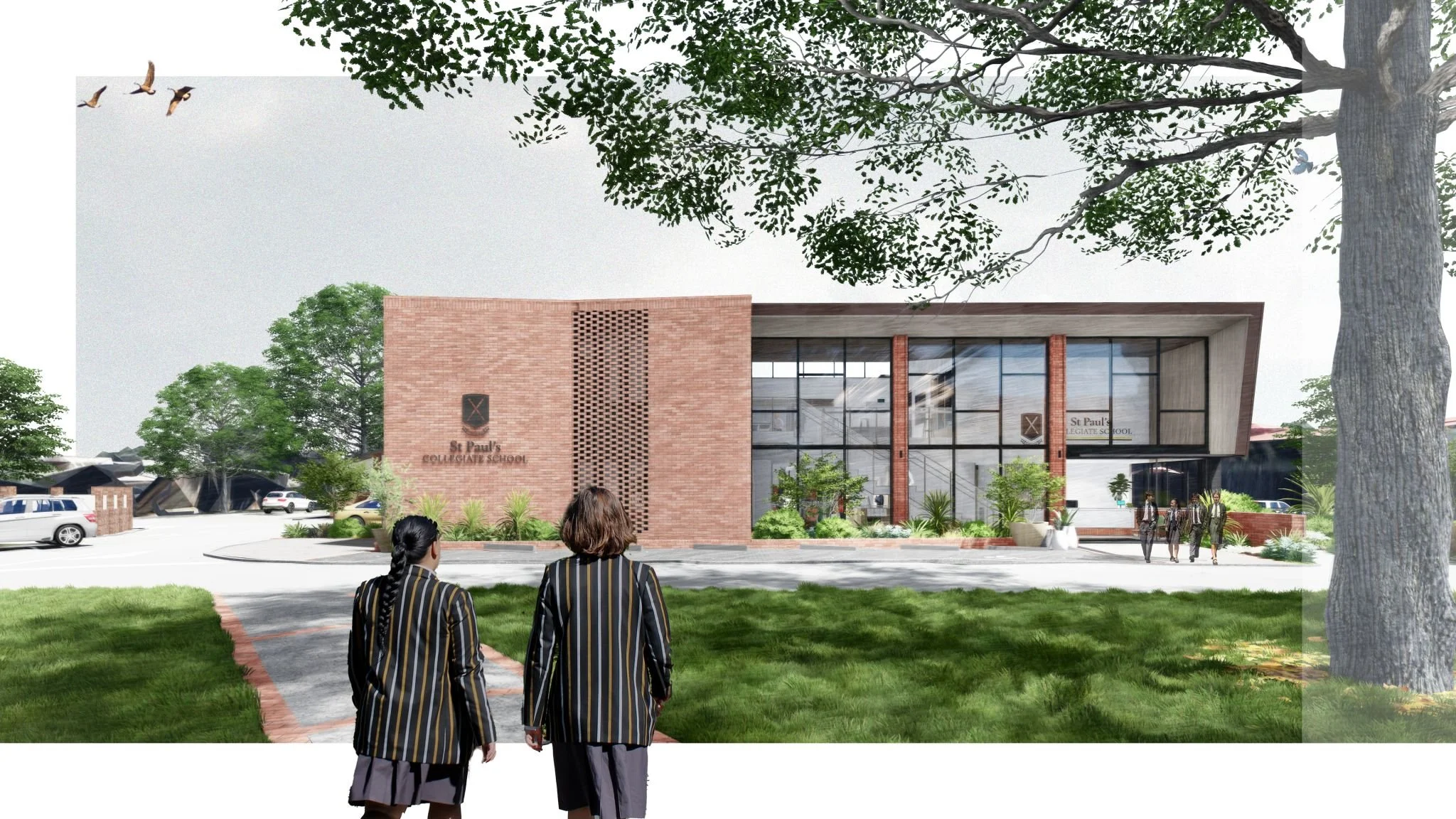
Image Edwards White Atrchitecture