Designing Fire Protection for Large-Scale Warehouses and Live Facilities
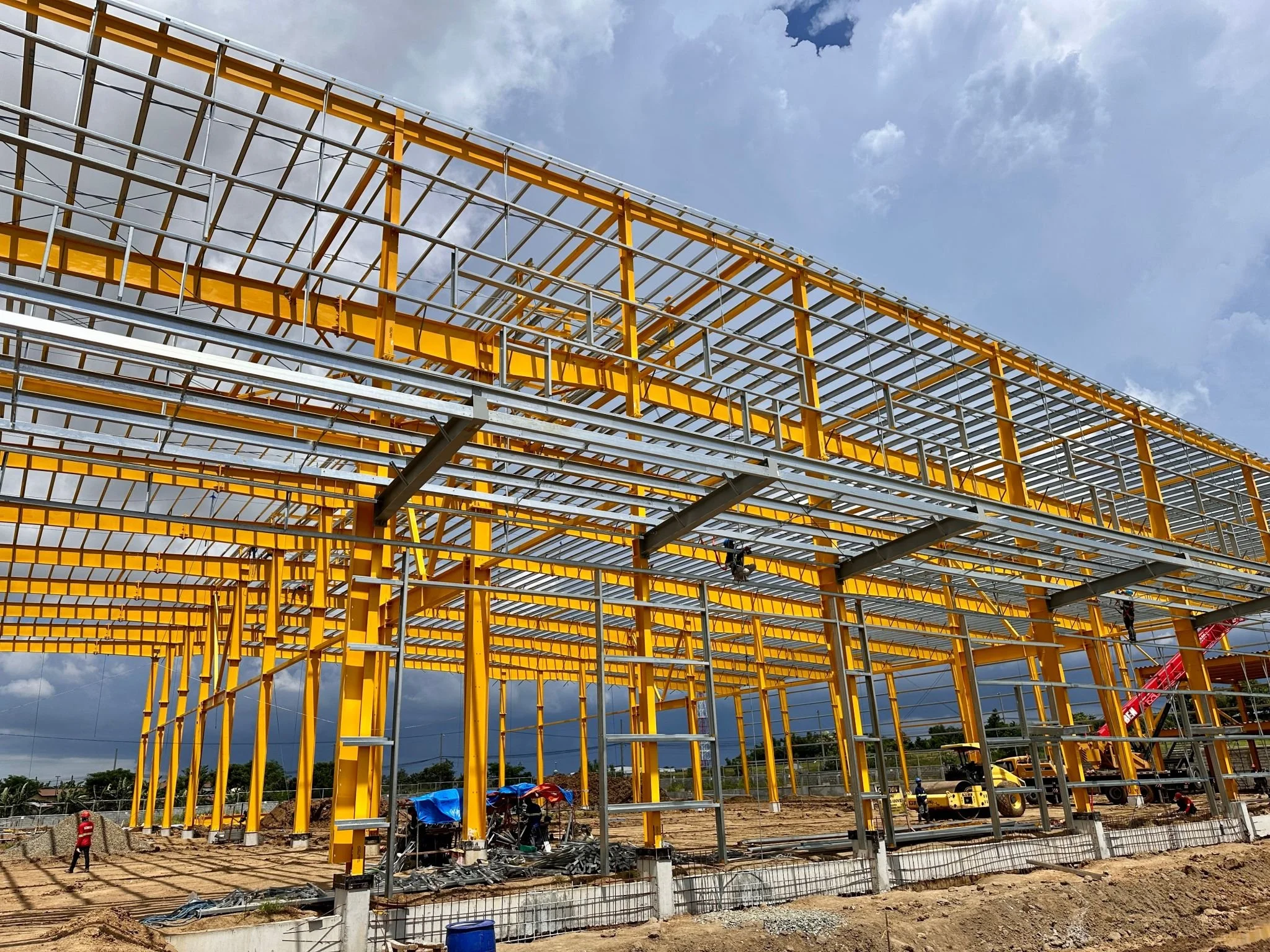
Large-scale warehousing and live operational facilities present some of the most complex fire protection challenges.
High storage volumes, tall racking, phased construction, and ongoing operations all increase risk. When these environments are not approached with a clear, performance-driven fire protection strategy, the consequences can be costly and disruptive.
Designing fire protection for these facilities requires experience, foresight, and coordination.
Warehouses introduce unique fire risks
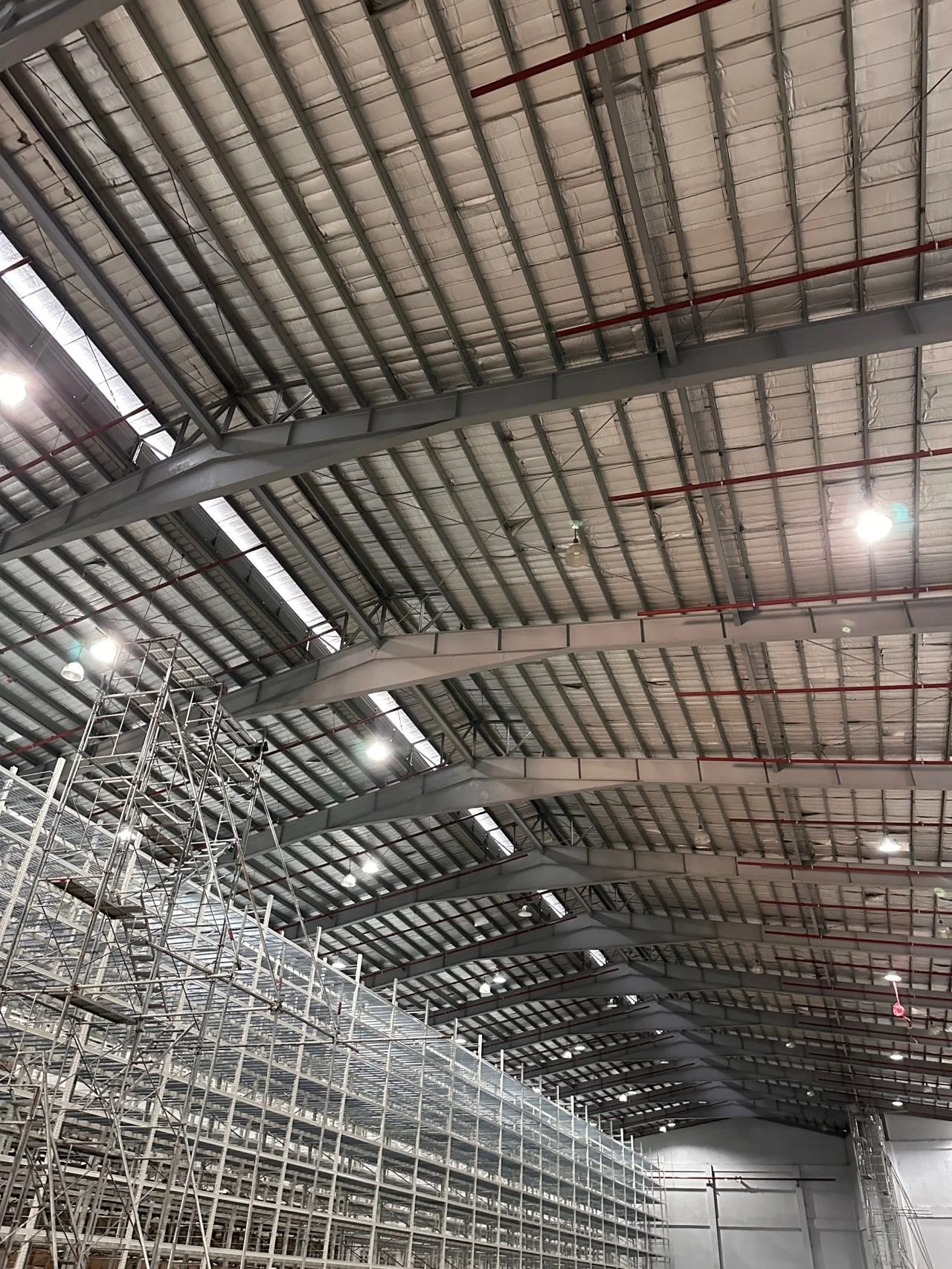
Large warehouse environments concentrate fire load vertically and horizontally. Storage heights, racking layouts, commodities, and operational intensity all influence system performance.
In facilities with high apex heights and dense storage, fire protection systems must be designed to control fire growth early and reliably. Standard solutions are rarely sufficient without careful consideration of hazard classification, water supply, and system configuration.
Early technical input is critical to managing these risks effectively.
FM Global alignment matters
Many large-scale warehousing and logistics facilities are designed to align with FM Global standards.
FM requirements extend beyond basic compliance and place strong emphasis on property protection, system reliability, and loss prevention. Designing to these standards requires a clear understanding of data sheets, system performance expectations, and operational constraints.
Early alignment with FM Global criteria helps avoid redesign, reduces insurer risk, and supports long-term asset resilience.
Live facilities add complexity
Designing fire protection for live facilities introduces an additional layer of challenge.
Upgrades, racking changes, or phased expansion must often occur while operations continue. Fire protection systems need to maintain coverage and compliance throughout construction, not just at completion.
Careful staging, temporary measures, and coordination with site operations are essential to avoid exposure during transition periods.
Phased upgrades require forward planning
Phased racking schemes and consolidation projects demand fire protection systems that can adapt over time.
Future layouts, increased storage densities, and operational changes must be anticipated early. Systems designed only for current conditions can quickly become a constraint, requiring costly upgrades or operational compromises later.
Forward planning supports smoother transitions and protects long-term performance.
Coordination across multiple environments
Large projects often include a mix of warehousing, office fit-outs, and support facilities.
Each environment presents different fire protection requirements, yet all must integrate into a cohesive site-wide strategy. Coordinating systems across varied risk profiles requires a clear design framework and close collaboration with architects, engineers, contractors, and site operators.
This coordination reduces gaps, avoids duplication, and supports consistent performance.
Experience across borders matters
Fire protection challenges do not change at national boundaries.
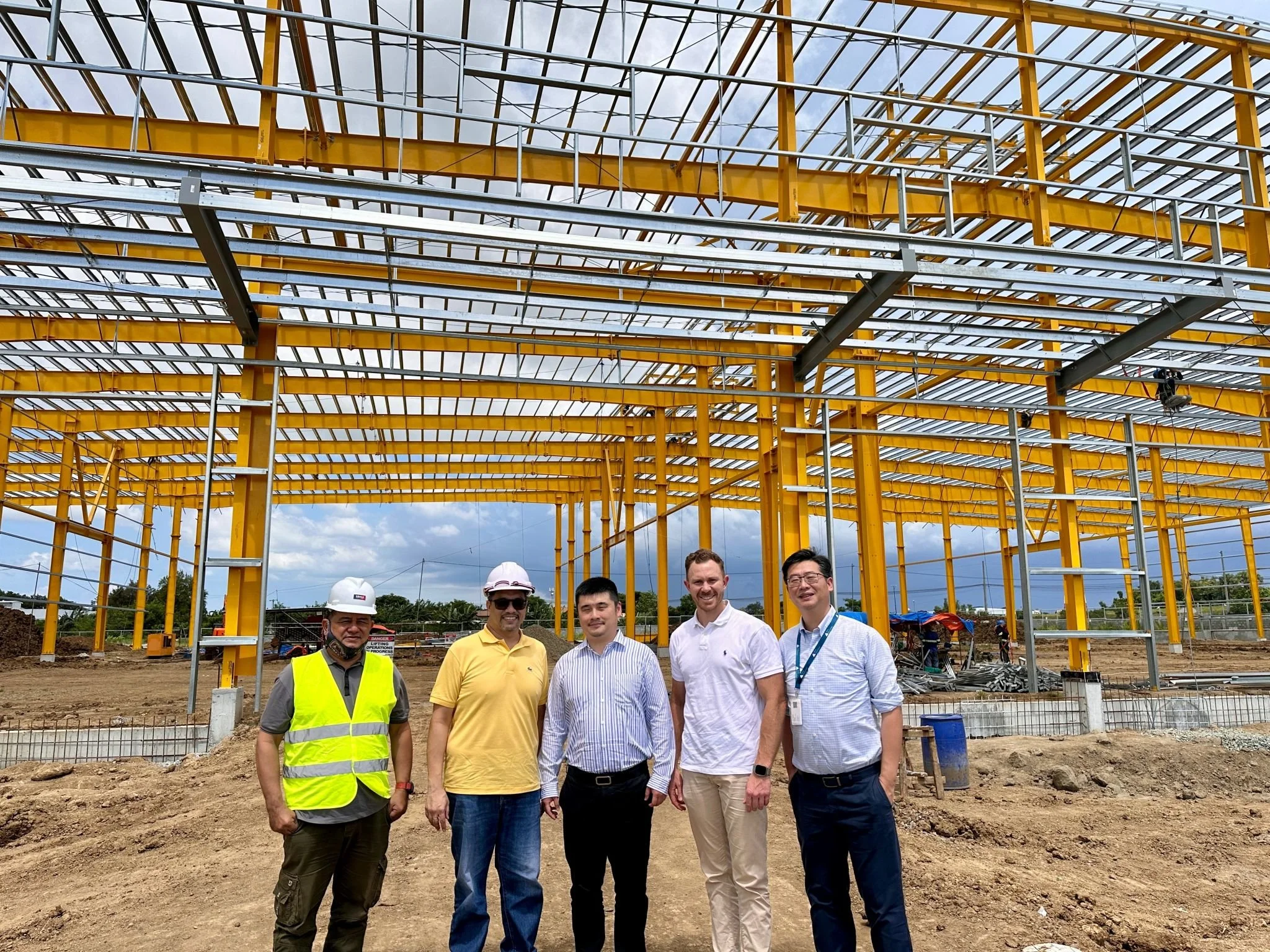
Experience delivering large-scale warehouse and live facility projects across multiple regions strengthens technical judgement and decision-making. Understanding how international standards, insurer expectations, and operational realities intersect allows for more robust and adaptable fire protection solutions.
Depth of experience matters when risk is high.
Designing for real-world performance
Fire protection systems in large-scale warehouses and live facilities must perform under demanding conditions.
Early planning, insurer alignment, and coordinated delivery are essential to achieving systems that protect people, property, and operations, not just on paper, but in real-world scenarios.
Fortis Fire provides specialist fire protection design for large-scale warehouses and live operational facilities.
Talk to us about managing fire protection risk on complex or phased projects.