

Why Early Fire Protection Planning Matters in Building Design
Fire protection decisions made early in a project have a disproportionate impact on outcomes.
When fire protection is considered from the outset, risks are identified early, coordination improves, and costly changes later in the programme are avoided. When it is deferred, flexibility is lost and pressure increases.
Early planning makes a measurable difference.
Fire protection influences more than compliance
Fire protection is not an isolated discipline. It affects building layout, service zones, ceiling coordination, structural penetrations, and construction sequencing.
Introducing fire protection late often forces design compromises. Integrating it early allows decisions to be tested while options are still open.
That distinction has a direct impact on programme, cost, and buildability.
Reducing risk before it is locked in
Early fire protection planning allows key risks to be identified before they are embedded into the design.
This includes understanding fire report requirements, system selection implications, water supply constraints, and coordination with other building services. Addressing these factors early reduces the likelihood of redesign during consenting or construction.
Once drawings are fixed, risk becomes harder and more expensive to manage.
Coordination improves outcomes
Projects that integrate fire protection early tend to coordinate more smoothly across disciplines.
Architects, engineers, and consultants can align design intent, service routes, and spatial requirements without retrofitting systems around completed layouts. This reduces clashes, RFIs, and late-stage changes.
Early collaboration supports clearer documentation and more predictable delivery.
Value is created at the start, not the end
The most effective way to manage cost in fire protection is not through value engineering late in the project. It is through informed decisions made early.
Early planning allows systems to be designed appropriately for the building’s use and risk profile. That approach reduces unnecessary upgrades, avoids over-design, and supports efficient procurement and installation.
The result is better value, not just lower cost.
Getting it right from the start
Fire protection planning should begin at concept stage, alongside architectural and engineering design.
Early specialist input supports compliance, performance, and coordination, while reducing surprises later in the project. It creates safer buildings and more resilient outcomes.
The earlier fire protection is planned, the easier it is to get it right.
Fortis Fire provides specialist fire protection input from the earliest stages of design.
Talk to us about integrating fire protection early in your project.
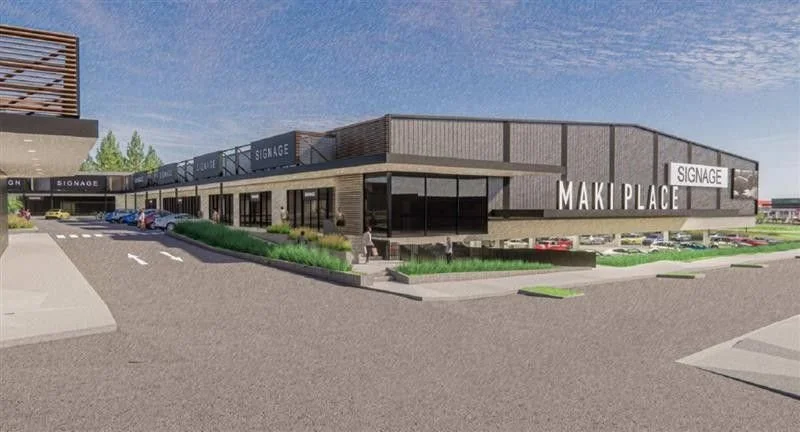
New Westgate project