Fire Pump Cavitation. The Hidden Risk That Undermines Sprinkler System Performance
Fire pumps are critical to sprinkler system performance. When they fail to perform as designed, the consequences are often discovered late and at the worst possible time.
One of the most common and least visible causes of reduced fire pump performance is cavitation.
Cavitation is not always obvious during normal operation. It can quietly degrade system reliability over time and signal deeper issues in design, installation, or maintenance.
What is cavitation and why it matters
Cavitation occurs when the pressure at the pump inlet drops below the vapour pressure of the water, causing vapour bubbles to form and collapse within the pump.
When a fire pump draws from a storage tank, cavitation can develop due to several factors, including:
• Low tank water levels
• Blocked strainers or debris in suction pipework
• Undersized or poorly routed suction piping
• Excessive suction lift or lack of flooded suction conditions
While these issues may seem minor, their impact is not.
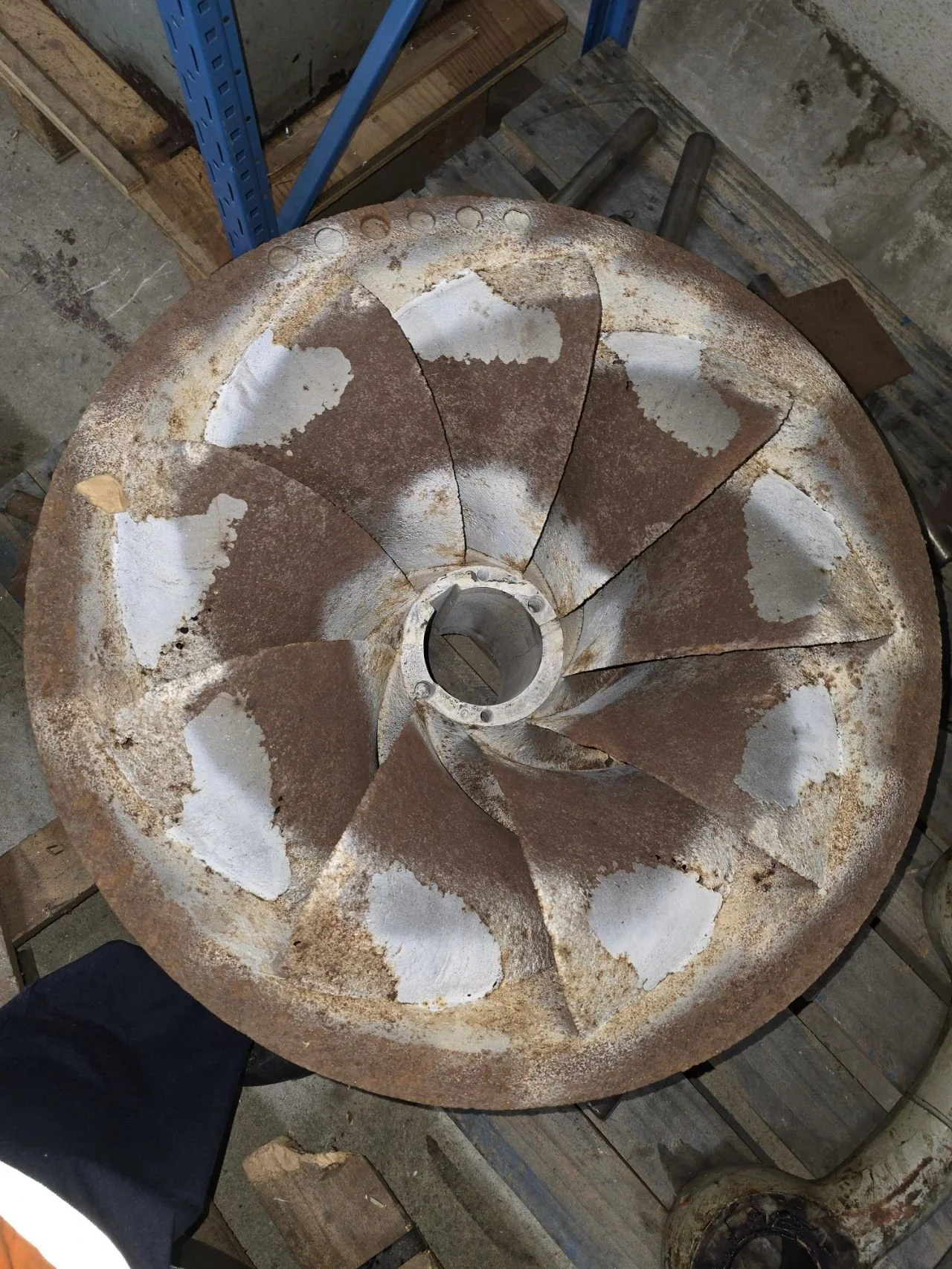
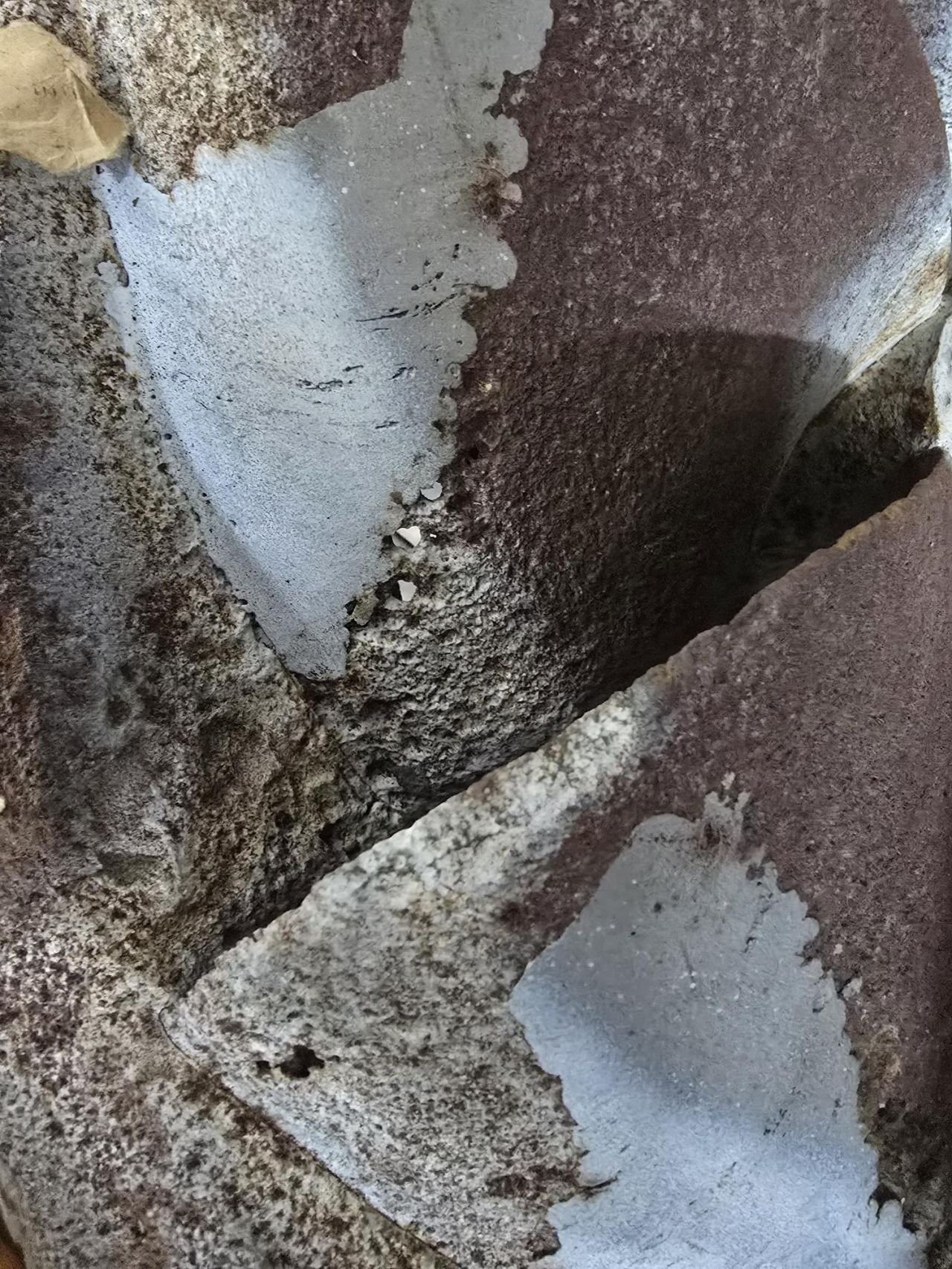
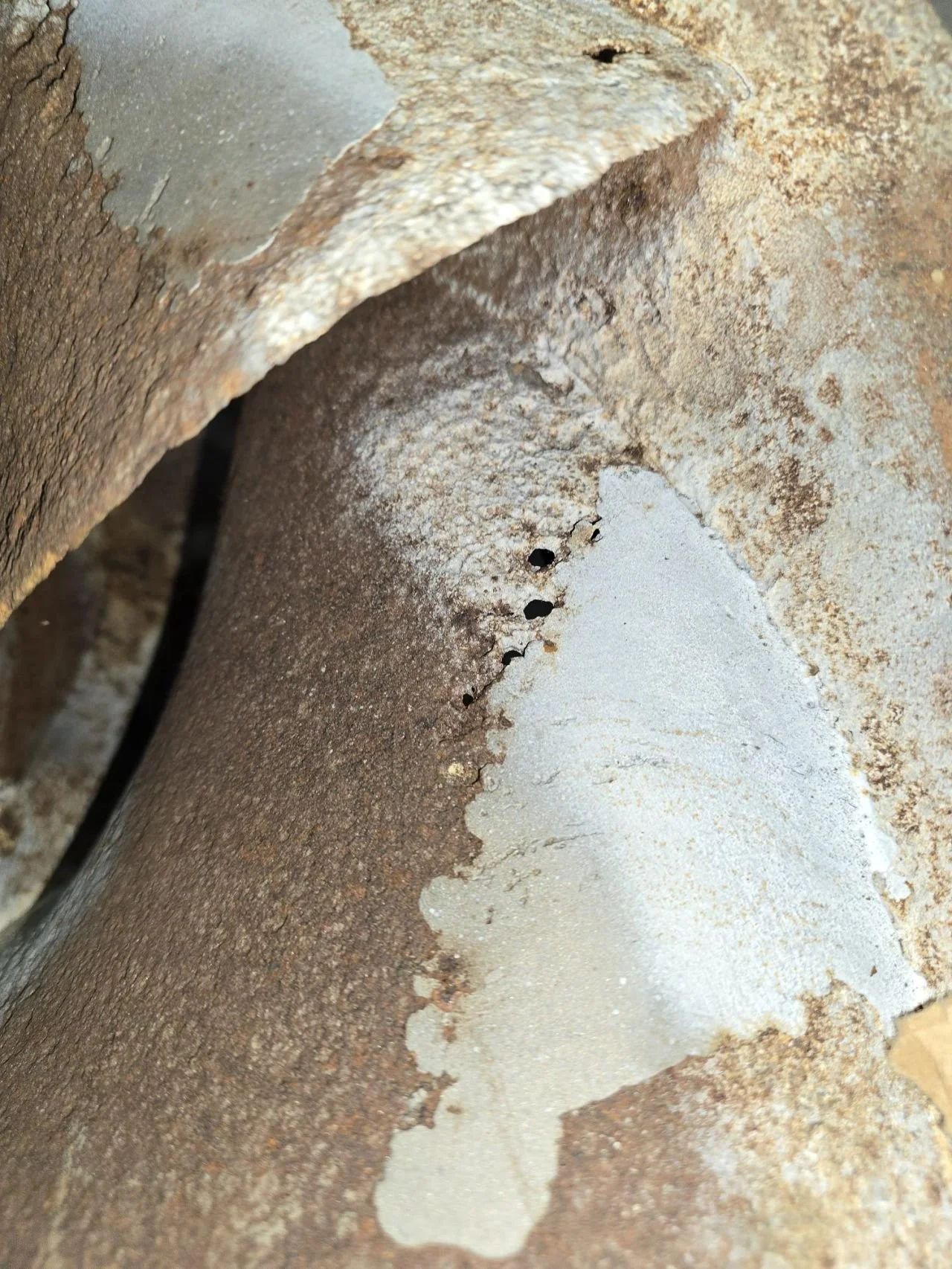
Cavitation erodes pump impellers, reduces available flow, and generates noise and vibration. In many cases, the damage progresses unnoticed until performance is compromised during testing or system activation.
A symptom of broader risk
Cavitation is rarely an isolated problem.
It often indicates shortcomings in suction design, inadequate allowance for operating conditions, or insufficient monitoring and maintenance regimes. Left unaddressed, these issues can undermine compliance and reduce system reliability over time.
In critical facilities, even small losses in performance margin can have serious consequences.
Compliance and performance are linked
Fire pump systems must meet the performance expectations set out in NZS 4541 and related standards. Achieving compliance on paper is only part of the equation.
If suction conditions are not properly designed, installed, and maintained, pumps may meet initial acceptance criteria but fail to perform consistently over their service life.
Correct suction design, tank level monitoring, and regular inspection are essential to maintaining both compliance and performance.
Design decisions matter early
Many cavitation issues originate at the design stage.
Suction pipe sizing, routing, tank configuration, and pump selection all influence inlet conditions. Once installed, correcting these issues can be complex and costly.
Early fire protection design input allows these risks to be identified and addressed before systems are built and commissioned.
Protecting long-term system reliability
Fire pumps are not forgiving of poor suction conditions.
A system that performs marginally today may deteriorate quietly over time. When failure occurs, it is often during testing, emergency activation, or insurer review.
Thoughtful design, combined with appropriate monitoring and maintenance, protects long-term performance and reduces the risk of unexpected failure.
Cavitation may be hidden, but its consequences are not.
Specialist fire protection design and due diligence can identify pump performance risks early.
Talk to Fortis Fire about protecting long term sprinkler system reliability.