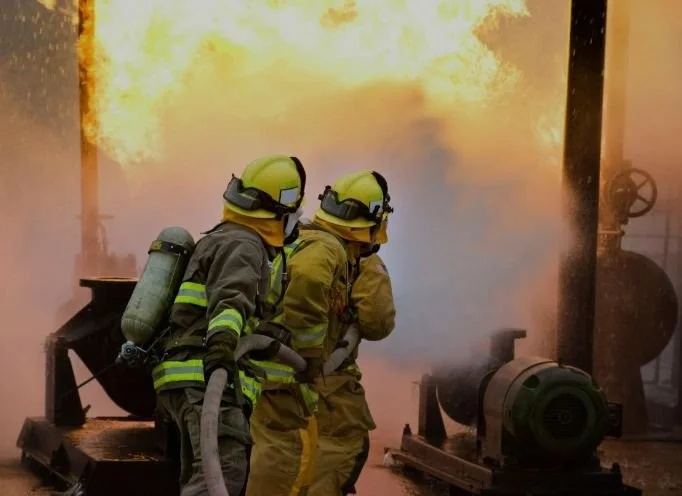
Standards or Best Practice. Why Fit-for-Purpose Fire Protection Matters
Fire protection standards exist for a reason. They provide a baseline for safety and consistency across buildings.
But standards alone are not the same as best practice.
As specialist fire protection consultants, our role is not limited to designing systems that comply on paper. It is to design systems that perform under real conditions, when people, property, and first responders depend on them.
Compliance is a starting point, not the finish line
Fire protection is often treated as a box-ticking exercise. If a system meets the relevant standard, it is assumed to be sufficient.
In reality, fire safety is rarely black and white.
Standards cannot account for every building layout, operational risk, or emergency scenario. A compliant system may still be difficult to access, poorly suited to the building’s use, or challenging for Fire and Emergency New Zealand to operate during an incident.
That gap between compliance and performance is where risk lives.
Designing for real-world conditions
Fit-for-purpose fire protection design requires practical judgement.
It means considering worst-case scenarios, not just minimum requirements. It means understanding how systems will be used under pressure, how occupants will move, and how FENZ will interact with the building during an emergency.
Design decisions should support effective firefighting and safe evacuation, not hinder them.
Working alongside fire engineers, not behind them
Fire protection consultants and fire engineers play complementary roles.
We work alongside fire engineers to support the overall fire engineering strategy, while focusing on how systems are detailed, coordinated, and delivered on site. That includes thinking beyond the standard when necessary, and providing advice that reflects real-world constraints and outcomes.
Meeting the standard does not always mean meeting the need.
Best practice protects people and responders
At its core, fire protection design is about people.
It is about keeping occupants safe and ensuring first responders can do their job effectively. That responsibility requires more than technical compliance. It requires experience, judgement, and the willingness to recommend the right solution, even when it goes beyond the minimum.
Choosing what is right
Best practice fire protection design is not about ignoring standards. It is about applying them intelligently.
By designing fit-for-purpose systems that reflect how buildings are actually used and how emergencies actually unfold, fire protection can deliver what it is meant to deliver when it matters most.
Fortis Fire provides specialist fire protection design grounded in real-world performance.
Talk to us about designing systems that go beyond compliance.